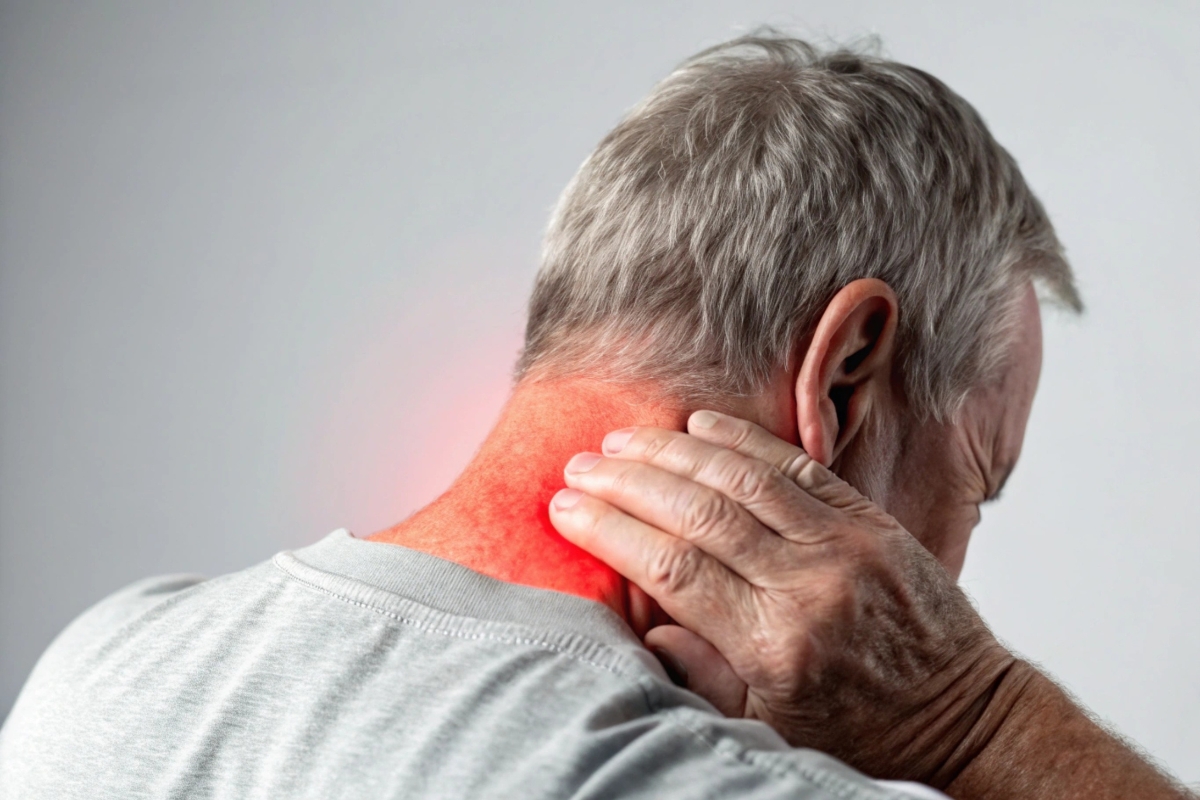


Whether from a past injury, surgery, or overuse, scar tissue can impact one’s mobility and comfort. These thickened areas eventually limit the body’s natural mobility and may subsequently cause stiffness, pain, or even muscle weakness over time. You may be looking for a solution that does not involve invasive surgery or long-term medication if you have been experiencing chronic pain and limited mobility.
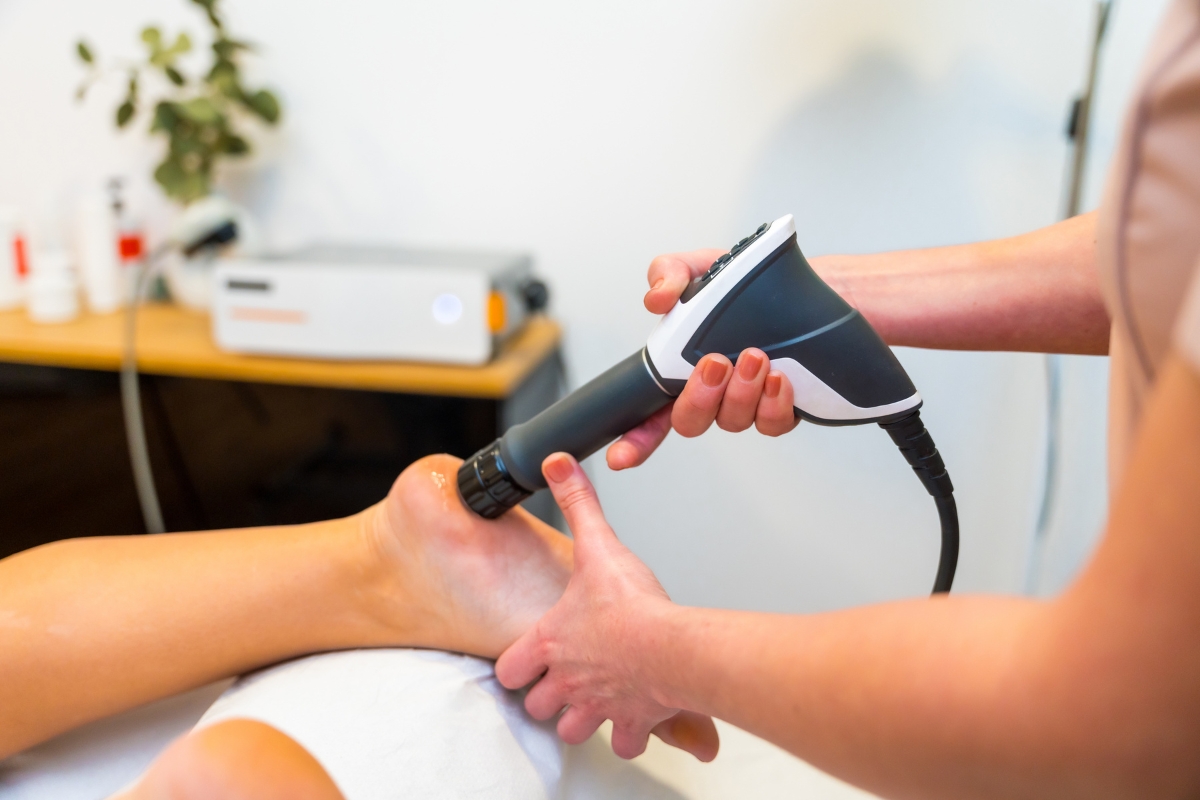
Thus, shockwave therapy has emerged as a popular treatment for breaking up scar tissue and accelerating soft tissue healing. Shockwave therapy is a non-invasive, rapid treatment that uses sound waves to target injured tissues, increase blood flow, and accelerate the healing process. This kind of therapy holds enormous benefit for those searching for effective, drug-free pain relief from lingering injuries or scars.
In this blog, we will take a closer look at how shockwave therapy works, the benefits it offers for individuals with scar tissue, and exactly how it can help accelerate their healing process.
How Shockwave Therapy Helps Break Down Scar Tissue?
Shockwave therapy operates on the premise of administering high-energy sound waves to the afflicted area. The waves penetrate the skin to target damaged or scarred tissues and, over time, encourage their breakdown. The mechanical pulses stimulate blood flow and reduce inflammation, while also promoting collagen production, which is essential for tissue repair.
Shockwave therapy represents a non-invasive means for people to break up tough scar tissue that has resulted from surgery, injuries, or overuse. This is particularly good in the shoulders, knees, elbows, and heels, where tough scar tissue has developed over time and severely limits mobility. This form of therapy can help reduce pain and improve mobility in as few as a couple of sessions, without the need for surgery.
Shockwave Therapy Benefits
The foremost advantage of this therapy is that it treats musculoskeletal problems without resorting to surgery or medications. The following are some of the other advantages:
- Non-invasive treatment: No incisions, no downtime. Shockwave therapy in Houston is a safe, non-surgical option for people who want to avoid the risks of invasive procedures.
- Fast healing support: Acceleration of healing is supported by increased blood flow and tissue regeneration, which are caused by shockwave treatment. It may enable people with chronic injuries or discomfort to recover much more quickly.
- Targeted treatment: Shockwave therapy is precise, focusing directly on the damaged tissues. This means that the sound waves affect only the area of concern, hence reducing the chances of side effects.
- Proven effectiveness: Clinical evidence, as demonstrated in numerous clinical studies, has proven that shockwave therapy is effective in treating conditions such as plantar fasciitis, tennis elbow, and calcific tendinitis.
- Reduced dependence on medication: Many view shockwave treatment as a substitute for painkillers. As the therapy addresses the roots of your pain, it can reduce long-term medication intake.
What Can Shockwave Therapy Be Used To Treat?
Shockwave therapy is highly beneficial for various chronic conditions involving scar tissue or injured soft tissues. Here are some of the most common conditions treated with shockwave therapy:
- Plantar Fasciitis: Most often the source of heel pain, shockwave therapy can break down scar tissue that forms along the plantar fascia, helping to relieve pain and stimulate healing.
- Tennis Elbow: This condition generally results from overuse of the elbow tendons. Shockwave therapy helps to break up scar tissue and stimulate healing in the damaged tendons.
- Rotator Cuff Injuries: Shockwave therapy is designed to accelerate the recovery of the affected tendons in cases of shoulder pain resulting from rotator cuff injuries.
- Achilles Tendonitis: Shockwave therapy can help reduce thickening of the Achilles tendon, allowing it to heal more quickly and alleviate pain.
Why Choose Shockwave Therapy?
If you are tired of the frustration that comes with chronic pain and poor mobility, shockwave therapy may be just what you need. Unlike other treatments that may involve long recovery periods or heavy medication, shockwave therapy accelerates healing in a few quick sessions. It is a safe and effective option for those looking to eliminate pain without the use of invasive procedures.
Shockwave therapy near you can provide you with everything you need to help you heal and get back to the things you love to do. Whether you have tried other methods with limited success or are simply looking for a fast, non-surgical answer to your pain, it can do it all.
Start Your Healing Journey With Ultra Spine Chiropractic
If you are ready to take control of your healing process and break free from the limitations caused by scar tissue, shockwave therapy could be the solution you have been looking for. It is a proven, non-invasive treatment that offers real results with minimal downtime.
To learn how shockwave therapy in Houston can help you recover faster, visit Ultra Spine Chiropractic. It is time to take the first step toward a pain-free future and get back into doing all those things you love.
FAQs
- What is shockwave therapy, and how does it work?
Shockwave therapy uses high-energy sound waves to stimulate healing in damaged tissues, breaking down scar tissue, improving blood flow, and reducing pain. - How many sessions of shockwave therapy will I need?
The number of sessions needed varies based on the severity of the condition. Typically, most patients require 3-5 sessions, spaced a week apart. - Is shockwave therapy painful?
While it can cause some discomfort, most patients find the therapy tolerable. Your provider will adjust the intensity to your comfort level. - What types of conditions can shockwave therapy treat?
Shockwave therapy is effective for treating conditions like plantar fasciitis, tennis elbow, calcific tendinitis, and rotator cuff injuries.
Are there any side effects of shockwave therapy?
Side effects are rare but may include temporary redness, bruising, or mild discomfort. These effects typically subside shortly after treatment is completed.